
Building a home theatre is one of the most rewarding upgrades you can make to your home, but with so many components, formats and price points to weigh up, knowing where to start can feel overwhelming. This guide walks you through every decision that matters, from your room and budget to speakers, receivers and screens, so you can build a system that sounds and looks incredible for years to come.
Start With the Room, Not the Gear
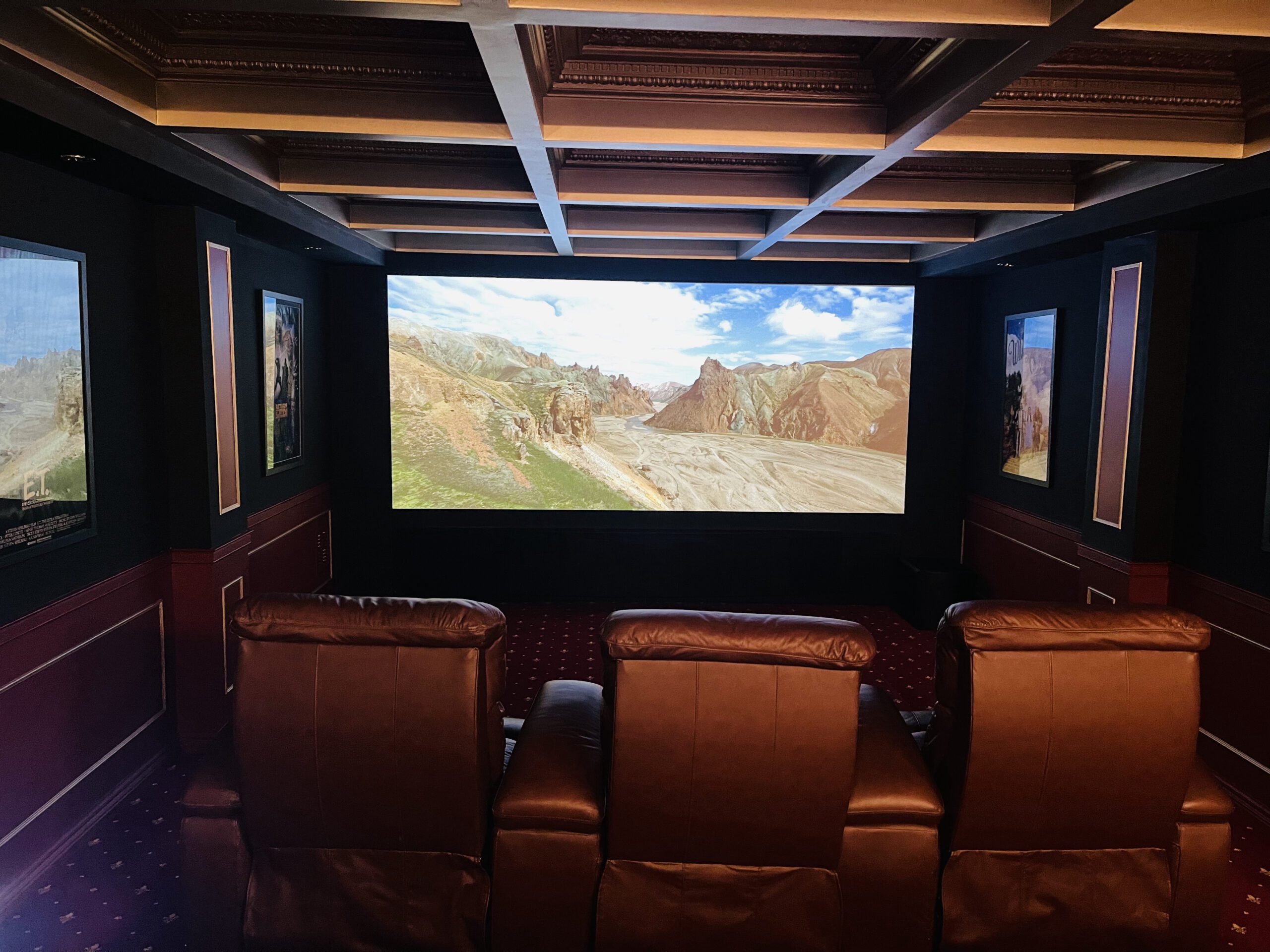
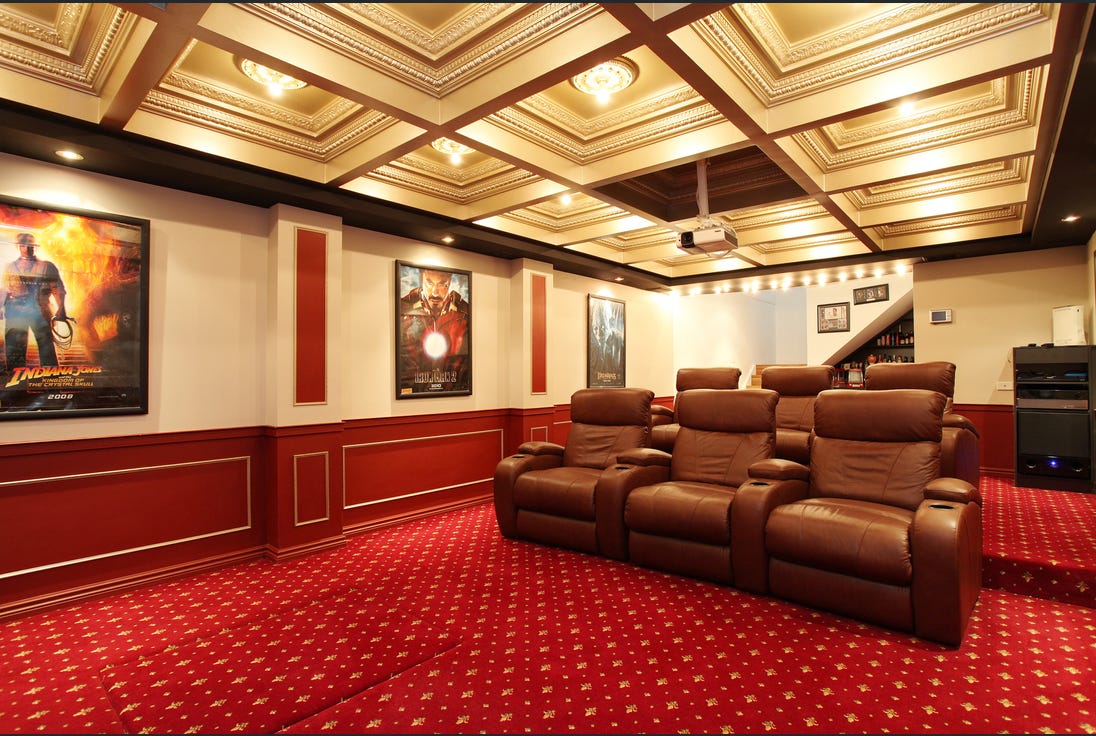
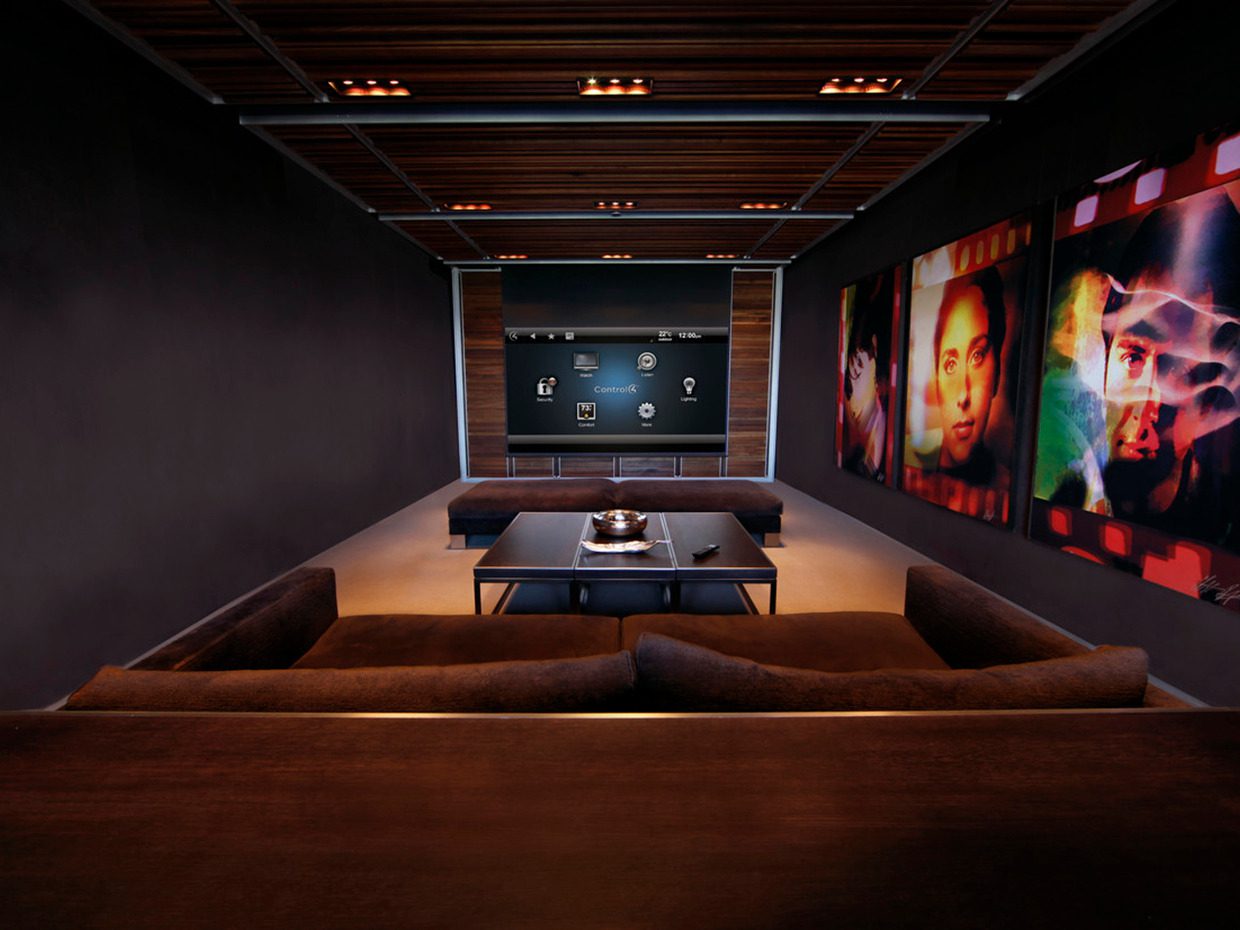
The single biggest factor in how your home theatre performs is the room itself. Before you look at a single speaker, think about the space you have. A dedicated, enclosed room gives you full control over lighting, acoustics and seating, while an open-plan living area is more flexible but harder to optimise for immersive sound. Measure your room, note where windows and doors sit, and consider how sound will reflect off hard surfaces like glass and tile. Soft furnishings, rugs and acoustic panels all help tame unwanted echo.
One finishing touch that transforms a dedicated room is a custom starlight ceiling — fibre-optic stars built into acoustic panels, so the space feels like a real cinema the moment the lights dim.
Set a Realistic Budget
Home theatre systems span an enormous range, from a few thousand dollars for a quality starter setup to well into five figures for a fully custom installation. A useful approach is to split your budget across the major categories: speakers, the AV receiver or amplifier, your display or projector, and installation. Spending evenly tends to produce better real-world results than pouring everything into one flashy component while neglecting the rest.
Choosing Your Speakers and Surround Format
Speakers are where you will hear the biggest difference. The most common configurations are 5.1 (five speakers plus a subwoofer), 7.1, and immersive formats like 5.1.2 or 7.1.4 that add height channels for Dolby Atmos. For most rooms, a well-set-up 5.1.2 system delivers a genuinely cinematic experience without overwhelming the space. Match your speakers to your room size, and always audition them with content you know well if you can. You can explore quality options on our speakers page.
The AV Receiver: The Brain of Your System
Your AV receiver handles decoding, amplification and switching between sources. When choosing one, check that it supports the surround formats you want, has enough HDMI inputs for your devices, and can drive the number of channels in your chosen speaker layout. Features like 4K and 8K passthrough, room-correction software and modern HDMI 2.1 gaming features are worth looking for if you want the system to stay relevant. Browse current models on our amplifiers and receivers page.
Display or Projector?
For a true cinema feel, a projector and screen are hard to beat, delivering the large, immersive image that defines the movie-theatre experience, especially in a darker, dedicated room. A large premium TV, on the other hand, is brighter, simpler to set up and better suited to rooms with ambient light. Think about your viewing distance, how much light you can control, and the screen size that suits the space before deciding.
Don’t Overlook Installation and Calibration
Even the best equipment underperforms if it is poorly installed or left uncalibrated. Speaker placement, subwoofer positioning, screen height and proper room correction make an enormous difference to the final result. This is where professional installation pays for itself, ensuring every component works together as intended. If you would like expert help, our team offers custom home theatre design and installation across Melbourne.
Bringing It All Together
Choosing a home theatre system comes down to understanding your room, setting a balanced budget, and selecting components that work well together rather than chasing specifications in isolation. Take your time, listen where you can, and lean on expert advice for the parts that are hard to judge on paper. Get the foundations right and you will enjoy a system that transforms how you watch films, sport and games at home.
Ready to start planning your build? Get in touch with PrimeTheatres for a personalised consultation.